Breakfast for £3.50 and a View of the Car Park: The Case for the Supermarket Café
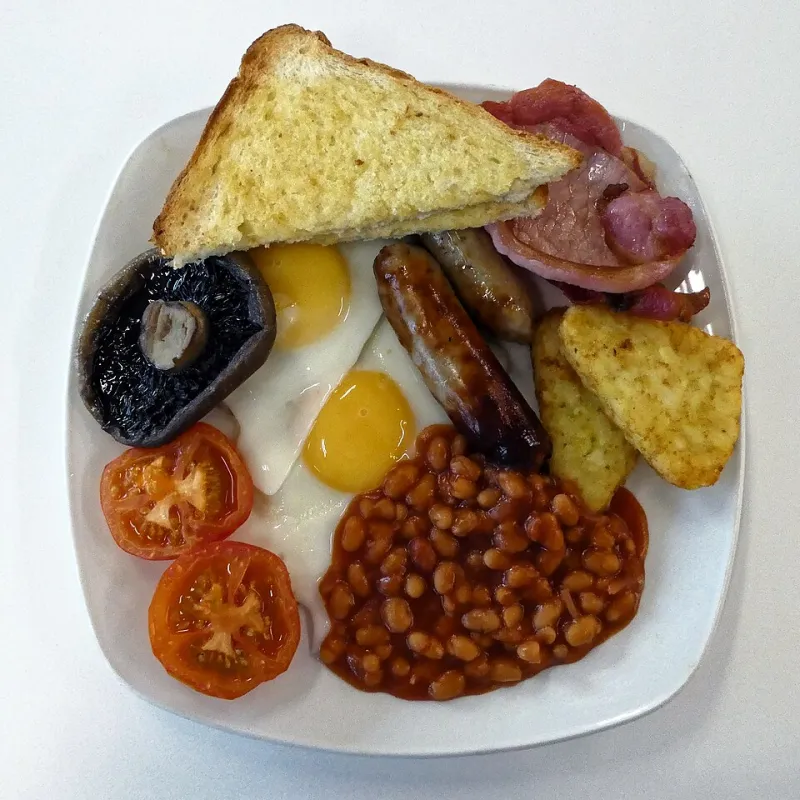
Photo: Acabashi, CC BY-SA 4.0, via Wikimedia Commons
There are two ways to eat breakfast in a British town centre in 2026. One involves a QR code, a £4.20 flat white and a playlist engineered to make you chew faster. The other involves a tray, a laminated menu and a table with a view of the recycling bins. I know which one I trust.
The bill tells the truth first
Start with the numbers, because the numbers are the argument. A full cooked breakfast — bacon, sausage, egg, beans, toast and the tomato nobody asked for — lands somewhere between £3.50 and £5.50 depending on where you live and whether you fancy a hash brown. Tea is usually included. Occasionally the tea is unlimited, which in 2026 feels less like a business decision and more like an act of public service.
Now walk two hundred yards to the chain coffee shop on the retail park. The flat white is £4.20. The avocado on sourdough, which is neither generous nor sourdough in any meaningful sense, is £7.95. Add a pastry and you have spent more on a light snack than a family of four would spend on a cooked breakfast and two rounds of toast.
Nobody is pretending the supermarket café serves restaurant food. That is precisely why it can be trusted. There is no 'concept', no small plates, no server explaining the provenance of a mushroom. There is a hot plate, a ladle and a person who has done this for eleven years and can time four orders without looking up.
The seating plan of a nation
What you notice, sitting with a pot of tea for longer than is strictly necessary, is who is in the room.
A nan and her grandson sharing a plate of chips, both of them equally unimpressed with the weather. Two blokes in paint-splattered trousers eating a full English at ten past nine because their day started four hours ago. A man with a paperback and a cup of tea, taking up a four-seater because there is no one to ask him to move. A pram parked in the gap by the window, another one behind it. A teenager eating beans on toast with the particular intensity of someone who has just finished a night shift.
The chain coffee shop has the same demographic range on paper. In practice, it has a queue, a price list and a subtle pressure to leave. The supermarket café has wipe-clean tables and no clock-watching, and somehow that produces a genuinely mixed room rather than a demographic chart.
The menu that stopped trying in 2011 and is better for it
There is a certain kind of security in a menu that has not changed in fifteen years. Toast. Beans on toast. Jacket potato with a choice of fillings that has never once surprised anyone. All-day breakfast. A Sunday roast if you are lucky, a cream tea in a plastic pot if you are not.
I have eaten in places with seasonal menus that were worse than this. Novelty is expensive. Reliability is not, and reliability is what people are actually buying at 9.15 on a Wednesday morning.
Where Instagram never goes
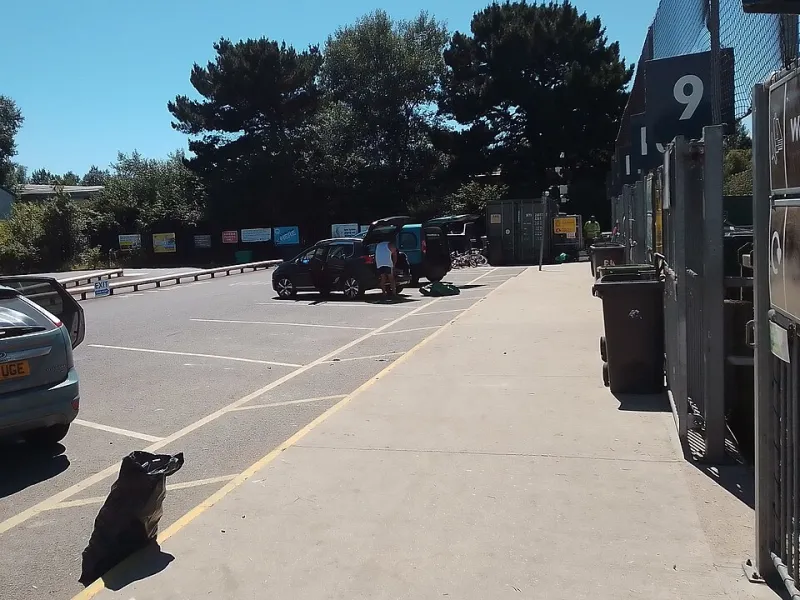
Fluorescent lighting. Sachets in a little pot. A laminated sign about the lift being out of order. A trolley bay visible through the window.
Design people would call this a hostile environment. I would call it low stakes. When a room is not trying to photograph well, it stops asking you to perform. You can eat alone without a book. You can bring a toddler. You can bring a newspaper, spread it out, and nobody will hover. The absence of atmosphere is, in its own strange way, the atmosphere.
The quiet economics of a room above a shop
Most supermarket cafés are loss leaders. They exist to keep you in the building, to give a trolley-pushing pensioner somewhere to sit down, to make the store feel less like a warehouse and more like somewhere a person might spend a morning. That model is under pressure — leases, energy bills, the slow creep of self-service checkouts and the closure of the rooms that went with them.
Which is a roundabout way of saying: go. Not out of nostalgia, and not because it is quaint. Go because a café where a cooked breakfast costs less than a single coffee elsewhere is a small piece of civic infrastructure, and infrastructure is easier to lose than to rebuild.
What value actually means
We have spent a decade being told that value means a discount code on an app. It does not. Value is a plate of hot food, a cup of tea that gets topped up, a table you did not have to book and a bill that does not require a moment's mental arithmetic before you tap your card.
That the room happens to come with the best people-watching in town is a bonus. The grandparents, the toddlers, the tradesmen and the man with the paperback are all there for the same reason. Nobody is being upsold. Nobody is being turned. It is, and I say this with genuine affection, the most honest restaurant in Britain — and it is in a supermarket, next to the pharmacy, under a sign that has been slightly wonky since 2019.